Confused about custom paper box pricing? Shenzhen Xinpeng Packing breaks down the 5 main factors that determine cost and reveals professional strategies to optimize your budget without sacrificing quality.
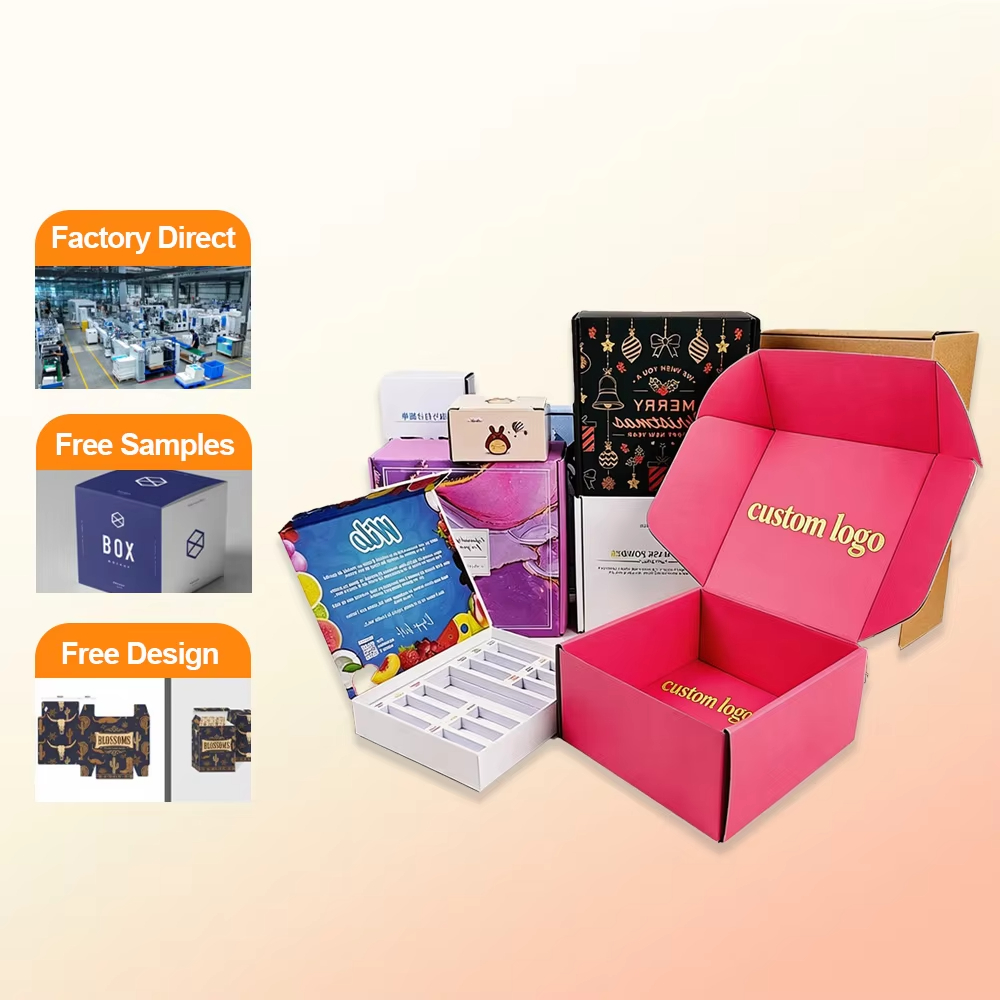
(Image: A collage showing different high-quality custom paper boxes, from simple to luxurious, with a transparent pricing chart icon overlay)
Introduction: "Why Is The Price So Different?" - Demystifying Custom Box Costs
If you've ever requested quotes for custom paper boxes and received prices that vary wildly, you're not alone. The lack of pricing transparency in the packaging industry can be frustrating and make budgeting a challenge.
At Shenzhen Xinpeng Packing & Printing Co., Ltd., we believe an informed client is our best partner. This guide unveils the key custom paper box pricing factors that truly drive cost. By understanding these elements, you can make smarter decisions, effectively manage your budget, and collaborate with your supplier to get the best value.
The 5 Major Factors Influencing Your Custom Paper Box Price
1. Material Grade & Quantity (The Foundation of Cost)
This is often the most significant cost driver. The choice of paper stock directly impacts durability, perception, and price.
Paper Type: Ranging from cost-effective E-flute corrugated to sturdy cardboard and premium art paper with coatings.
Thickness & GSM (Grams per Square Meter): A 350 GSM paperboard is inherently more expensive than a 250 GSM one.
Material Quantity: The total square footage of material used for your box, including any internal inserts, is a primary raw material cost.
Pro Tip: Discuss your product's weight and protection needs with your supplier. A slightly lower GSM or a different paper type can offer substantial savings without compromising integrity.
2. Design Complexity & Structural Engineering
A simple two-piece box is fundamentally different in cost from a complex, multi-panel auto-lock bottom box.
Standard Die-Line vs. Custom Structure: Using a standard die-line (template) is cheaper. A completely custom-designed structure requires new die-making, a one-time but crucial investment.
Intricate Cuts & Folds: More complex cuts and scores increase machine time and the potential for error, affecting the final price.
Pro Tip: If your budget is tight, consider adapting a standard box style. For unique shapes, plan for larger order quantities to amortize the custom die cost over more units.
3. Printing & Branding Techniques
This is where your brand comes to life, and the choices here have a major price impact.
Number of Colors: Single-color printing is economical. Full-color (CMYK) process printing costs more.
Printing Method: Digital printing is ideal for short runs and prototypes. Offset printing is more cost-effective for larger quantities and offers superior color vibrancy.
Premium Finishes: Spot UV coating, foil stamping, embossing, and debossing add significant perceived value and cost. Each requires additional plates and production steps.
Pro Tip: Use premium finishes as strategic accents rather than covering the entire box. A simple logo foil stamp can create a luxury feel without the luxury price tag.
4. Order Quantity & Economies of Scale
This is a simple yet powerful principle of manufacturing.
Setup Costs: Fixed costs like diemaking, plate setup, and machine calibration are spread across the entire order. A larger quantity drastically reduces the cost-per-box.
Material Purchasing Power: Suppliers can purchase raw materials at a better price for large orders, passing some savings to you.
Pro Tip: Consolidate your orders or plan your packaging needs for an entire season or product line to achieve a higher, more cost-effective quantity.
5. Additional Labor & Finishing Processes
Any step that requires manual handling will add to the cost.
Hand Assembly: Folding, gluing, and assembling complex boxes by hand.
Specialty Liners & Inserts: Adding foam, plastic, or custom fitted inserts for superior protection.
Quality Control: Stringent, piece-by-piece inspection adds time and labor but ensures a perfect final product.
Pro Tip: Design for automation. A box that can be machine-assembled on an auto-fold carton system will always be more cost-effective than one requiring manual labor.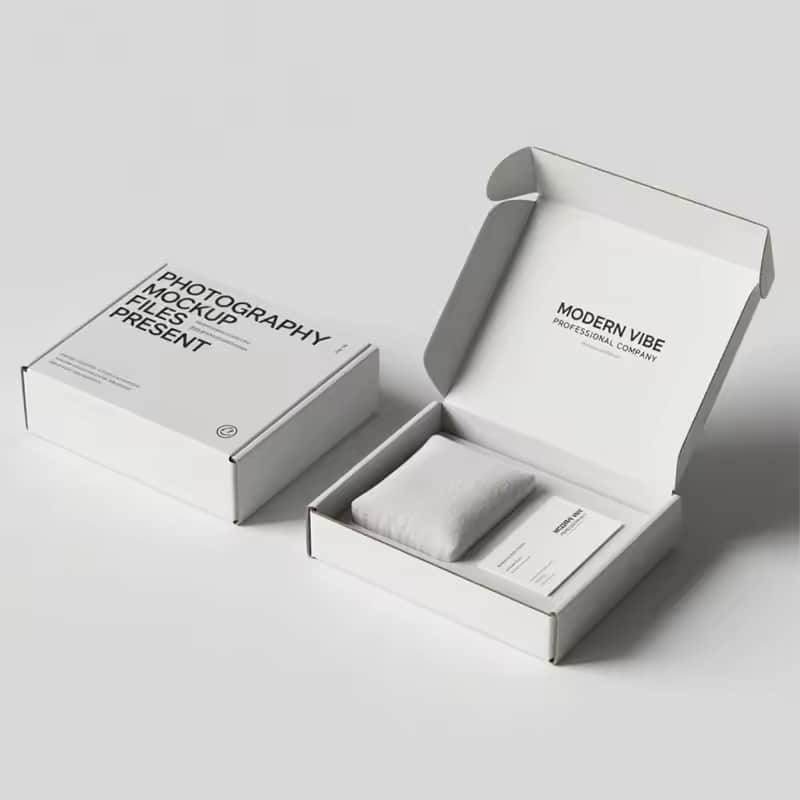
Smart Cost-Saving Strategies from a Professional Supplier
At Shenzhen Xinpeng, we partner with you to optimize these factors. Here’s how we help clients save:
Value Engineering: We analyze your design and suggest material or structural alternatives that maintain quality and aesthetics at a lower cost.
Standardize Colors: Using a Pantone color instead of CMYK can sometimes be cheaper, especially for 1-2 brand colors.
Plan for Efficiency: We advise on box designs that are compatible with our high-speed automated packaging lines, reducing assembly time and cost.
Order in Economic Run Quantities: We provide transparent data to help you find the "sweet spot" where the unit price drops significantly.
Conclusion: Transparency Leads to Better Partnership & Better Boxes
Understanding these custom paper box pricing factors empowers you to have a more productive conversation with your packaging supplier. It’s not about finding the cheapest option, but the smartest one that delivers the best value for your brand and budget.
Ready for a Transparent Quote?
At Shenzhen Xinpeng Packing, we believe in clear, upfront pricing. Provide us with your specifications, and we will give you a detailed breakdown of your quote, alongside expert recommendations to optimize your costs.
Get Your Free, Detailed Quote Now

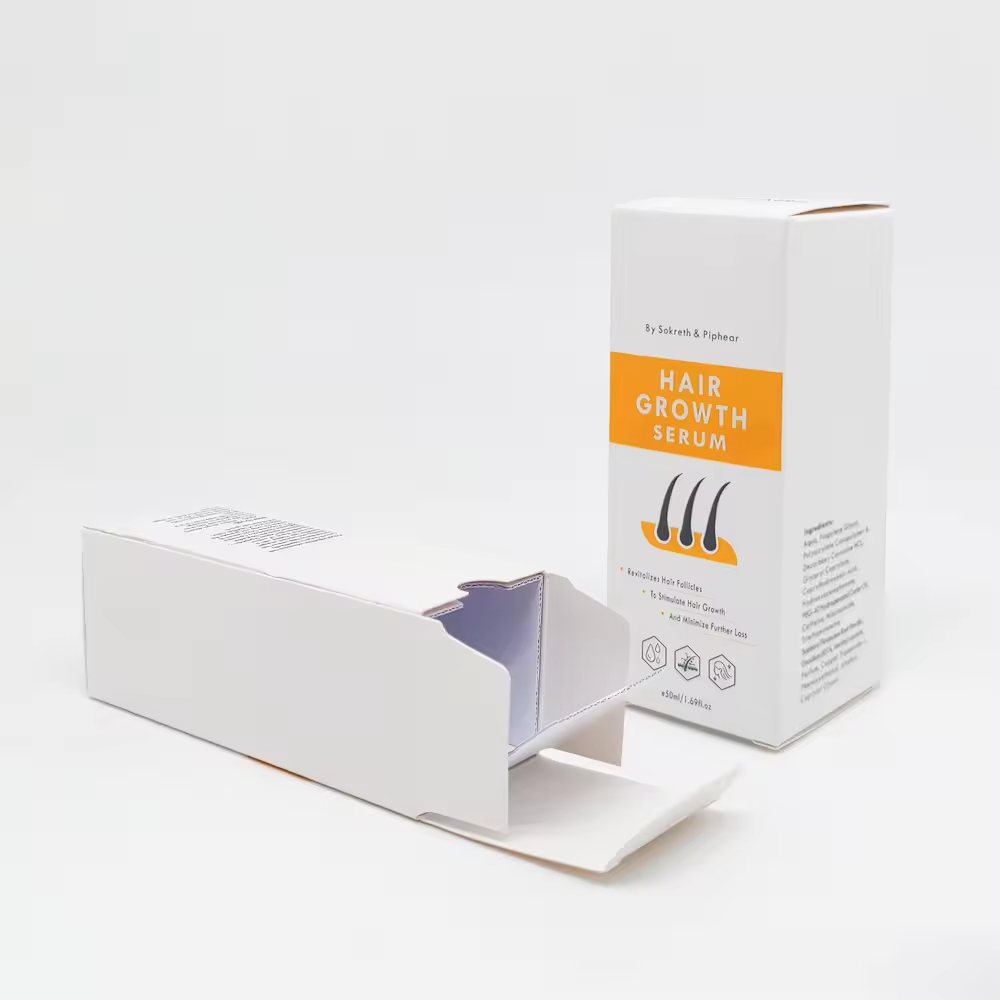 Folding Cartons
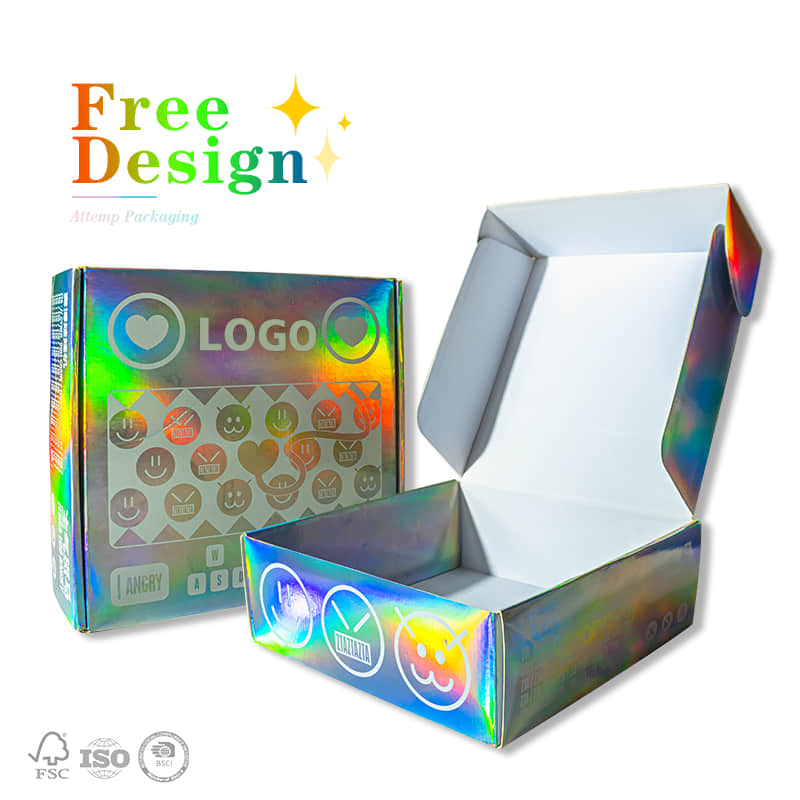 Custom Holographic Box
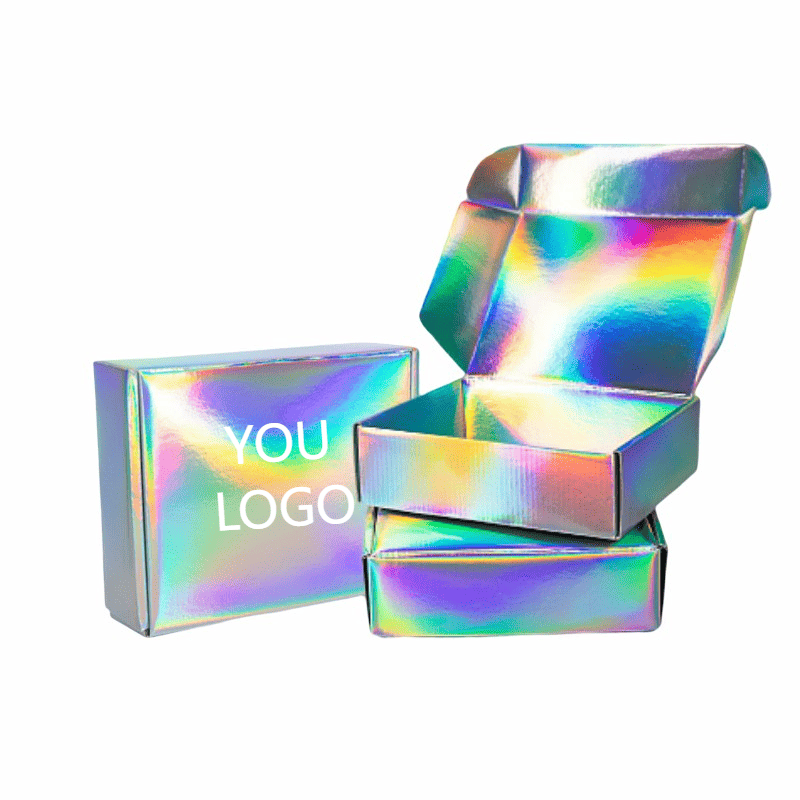 Custom Holographic Box