By Xinpeng Packaging
Original Article
In the modern supply chain, packaging materials play a far more critical role than simply containing a product. They protect goods during transit, extend shelf life, communicate brand value, and increasingly, reflect a company’s commitment to environmental responsibility. Understanding the full spectrum of packaging materials is essential for businesses seeking to balance functionality, cost, and sustainability.
At Xinpeng Packaging, we specialize in providing tailored packaging solutions across industries. Drawing on our years of industry expertise, this article offers a comprehensive overview of the six major categories of packaging materials, their typical applications, and the emerging trends shaping the future of packaging.
Paper-based materials are among the most widely used packaging solutions globally. They are valued for their low cost, high recyclability, and versatility in printing and shaping.
Corrugated Board: Composed of linerboard and fluted medium, corrugated board is the backbone of shipping cartons and e-commerce packaging. Its structural strength provides excellent cushioning and stacking resistance.
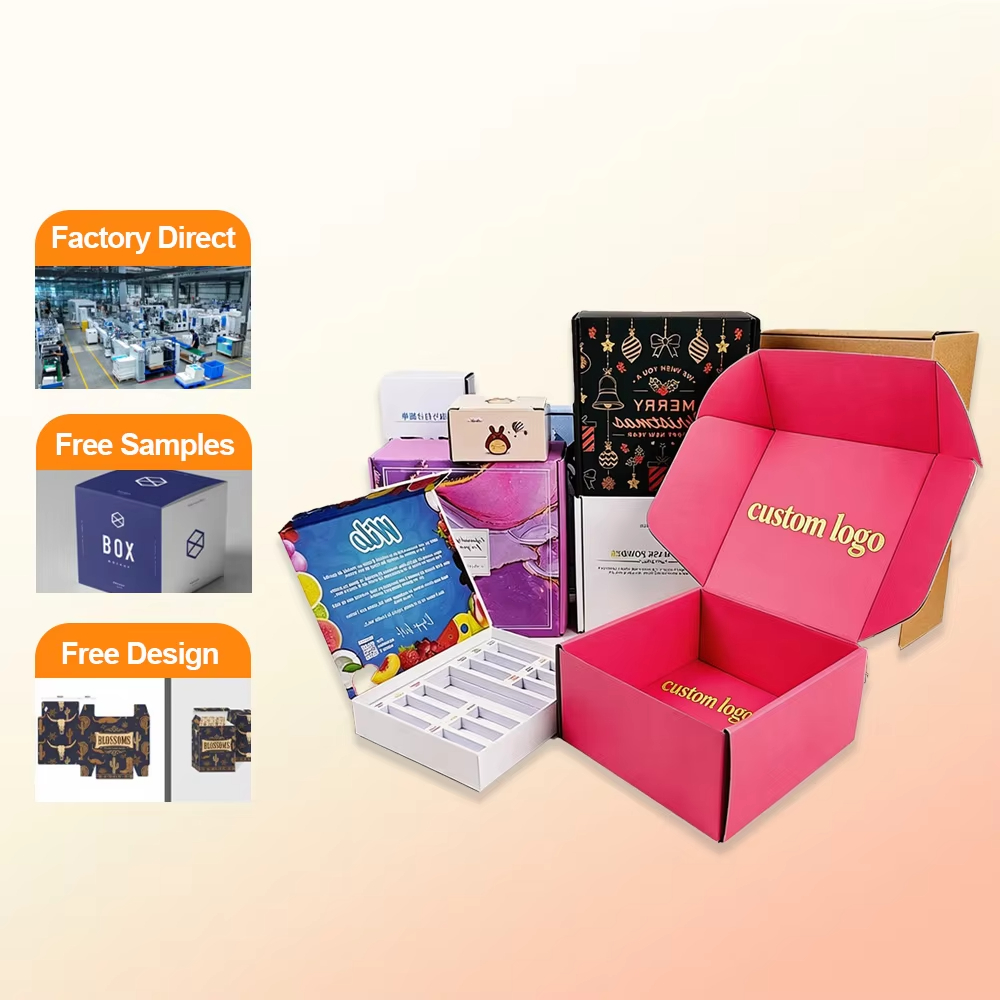
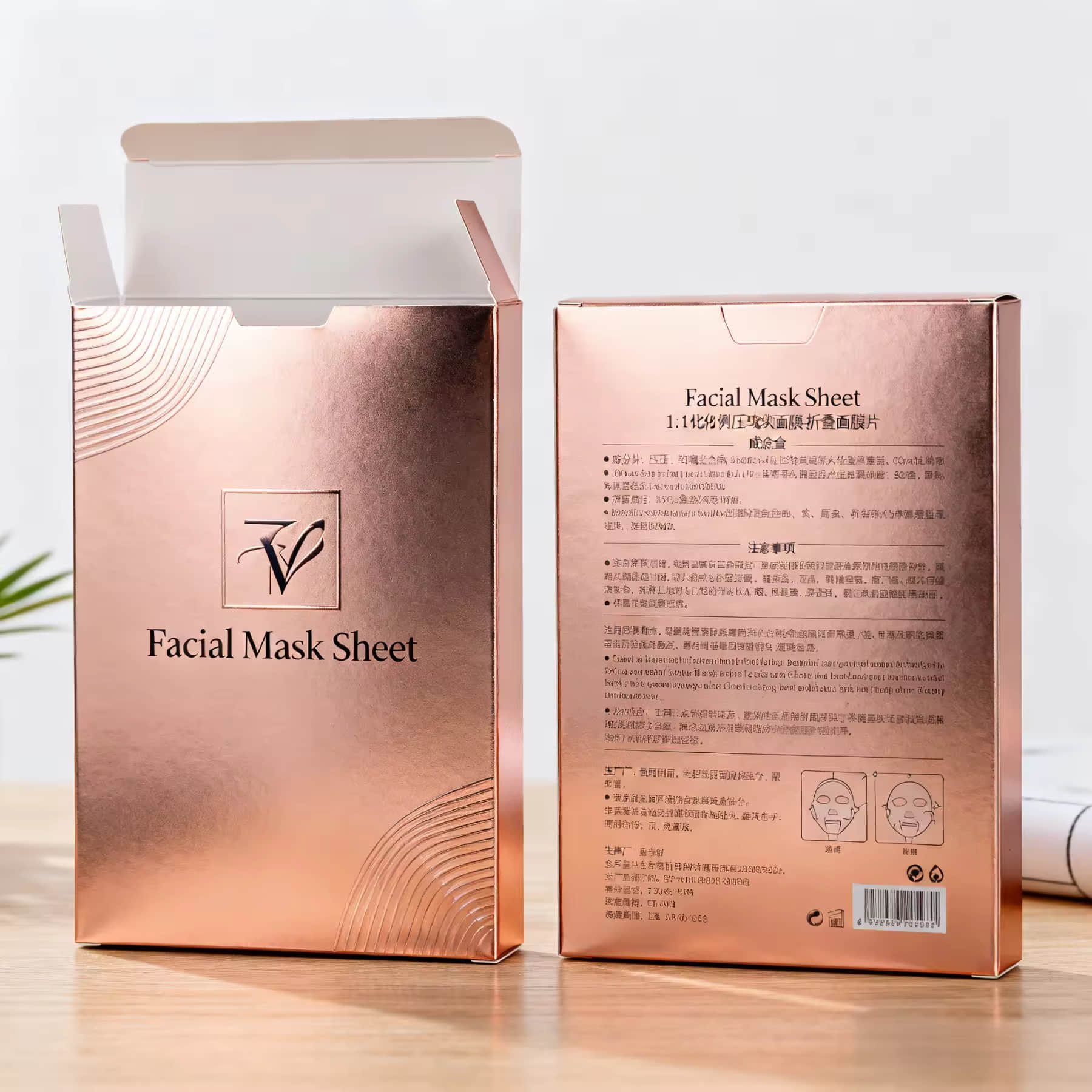
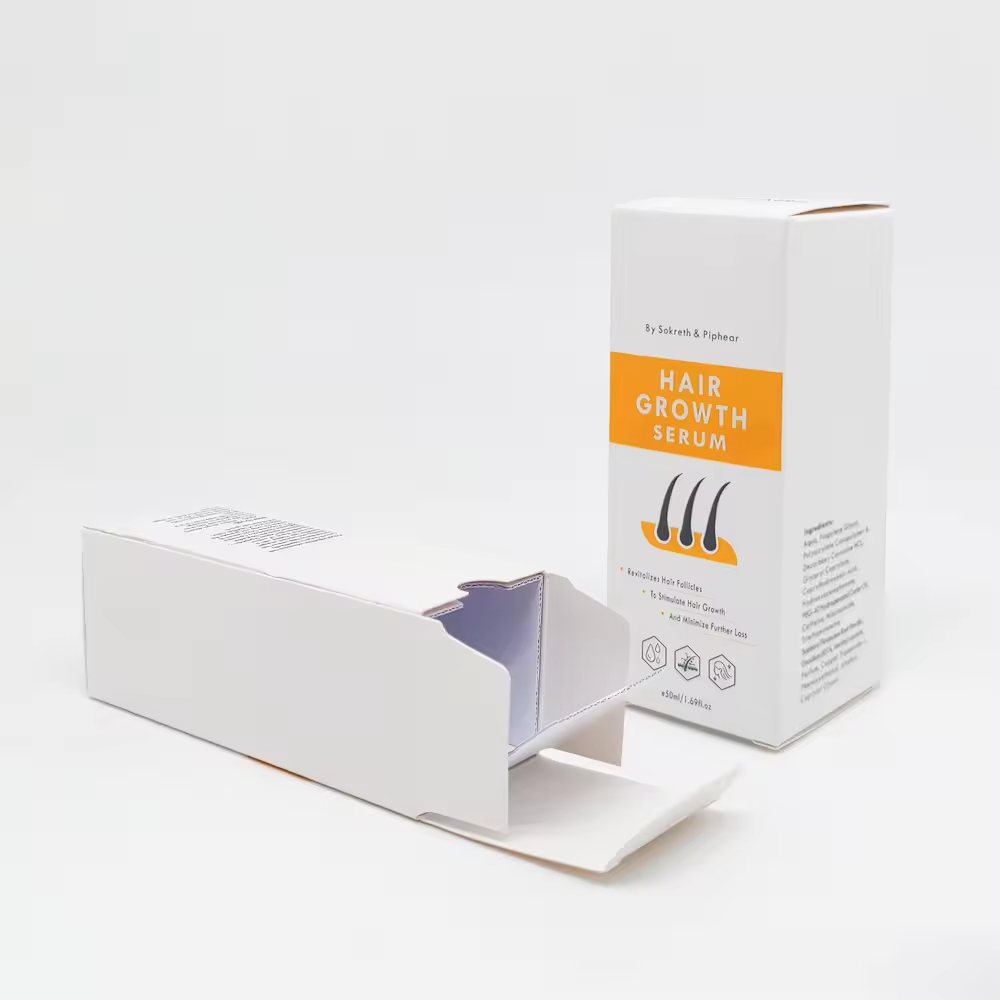
Paperboard / Cardstock: Thicker than standard paper but thinner than corrugated board, paperboard is commonly used for high-end folding cartons, such as cosmetic boxes, electronic device packaging, and luxury gift boxes.
Kraft Paper: Known for its high tensile strength and tear resistance, kraft paper is frequently used for shopping bags, cement sacks, and as inner liners for food packaging.
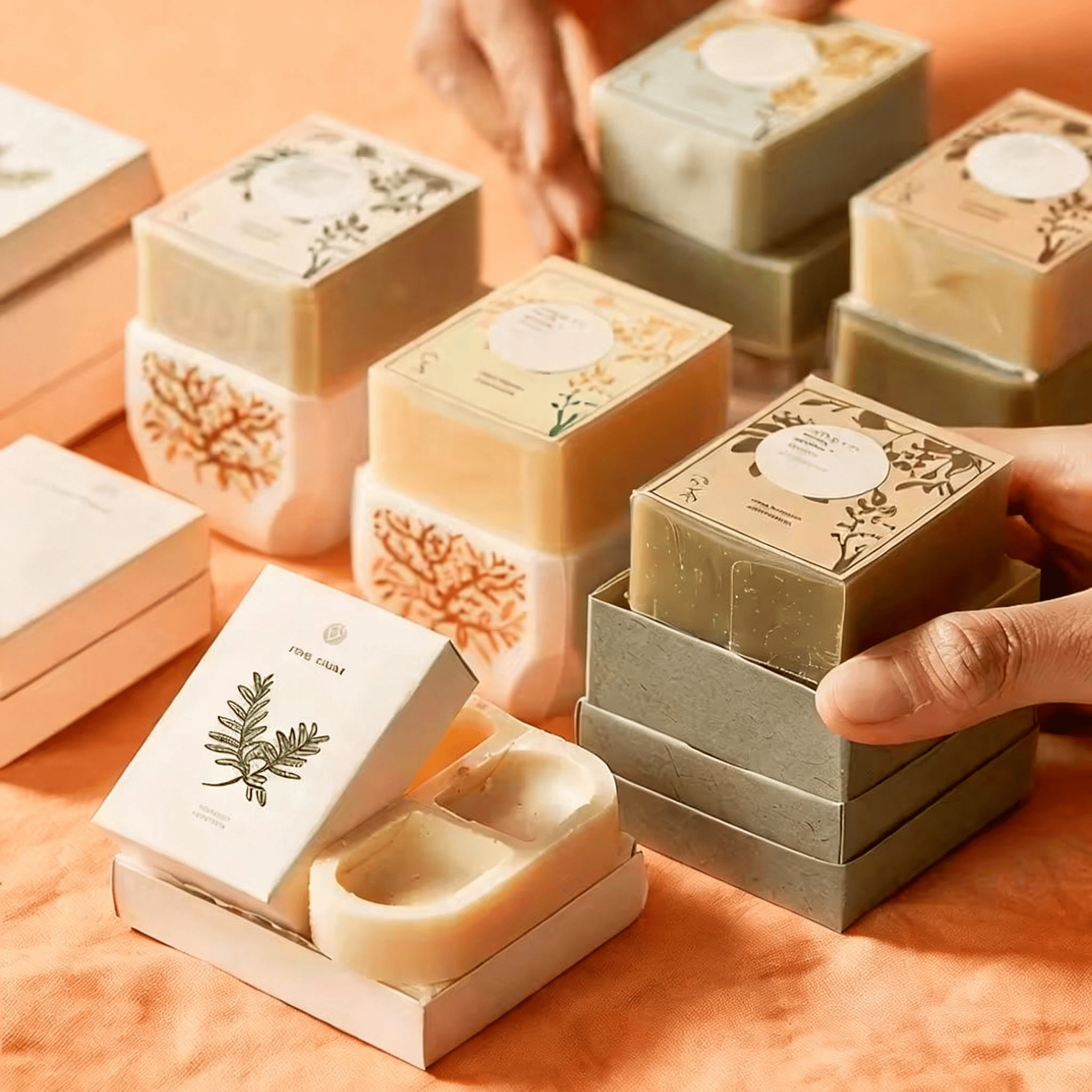
Specialty Paper: This category includes parchment paper, art paper, and other treated papers. These are often used in premium applications where texture, print quality, or specific barrier properties are required.
Plastic remains a dominant material due to its lightweight nature, durability, and exceptional moldability. However, its environmental impact has led to increased focus on recyclable and mono-material designs.
Polyethylene (PE): Available in various densities, PE is used in cling films, plastic bags, and bubble wrap. It is widely considered food-safe and is a common choice for flexible packaging.
Polypropylene (PP): With high heat resistance and semi-transparent properties, PP is ideal for food containers, beverage caps, and woven sacks. It is the only common plastic suitable for microwave use.
Polyethylene Terephthalate (PET): Known for its clarity and strength, PET is used in water bottles, transparent blister packs, and food trays. It is highly recyclable.
Polyvinyl Chloride (PVC): Often used for rigid blister packaging and shrink wraps, PVC has seen reduced usage in some regions due to environmental concerns.
Polystyrene (PS) / Expanded Polystyrene (EPS): EPS, commonly known as Styrofoam, provides excellent shock absorption for electronics and home appliances, though biodegradable alternatives are increasingly preferred.
Metal packaging offers unparalleled barrier properties, effectively blocking moisture, oxygen, and light. It is also highly valued in recycling systems due to its infinite recyclability without loss of quality.
Tinplate (Electrolytic Tin-Coated Steel): Combining the strength of steel with the corrosion resistance of tin, tinplate is widely used for canned foods (e.g., meats, fruits), tea canisters, and battery casings.
Aluminum: Lightweight and malleable, aluminum appears in two primary forms: aluminum foil (used in chocolate wrappers, pharmaceutical blister packs, and as a barrier layer in aseptic cartons) and aluminum cans (for beverages).
Glass is chemically inert, non-porous, and impermeable, making it one of the most stable packaging materials. It does not interact with its contents, preserving flavor and purity.
Glass is commonly used for food and condiments (jars, sauces), beverages (beer bottles, wine bottles), cosmetics (premium creams and serums), and pharmaceuticals (injectable vials). Its premium aesthetic and recyclability continue to drive its use in high-value segments.
Composite packaging combines two or more materials to achieve performance characteristics that single materials cannot provide. These structures typically layer paper, plastic, and aluminum to achieve specific barrier, strength, or sealing properties.
Aseptic Cartons (e.g., Tetra Pak-style structures): Composed of paperboard, polyethylene, and aluminum foil, these cartons preserve liquids such as milk and juice at room temperature without refrigeration.
Aluminum-Plastic Laminated Films: Commonly seen in snack bags (e.g., potato chips) and coffee pouches, these laminates offer high oxygen and moisture barriers while supporting high-quality printing.
Auxiliary materials do not form the primary container but are essential for protection, closure, or presentation.
Cushioning Materials: Including EPS foam, expanded polyethylene (EPE) (also known as pearl cotton), bubble wrap, air column bags, and molded pulp (e.g., egg trays, smartphone holders).
Sealing Materials: Such as BOPP tape, kraft paper tape, hot-melt adhesives, and pressure-sensitive labels.
Strapping and Wrapping: Including polypropylene (PP) and polyester (PET) strapping bands, as well as stretch film for pallet wrapping.
At Xinpeng Packaging, we closely monitor the evolving landscape of packaging materials. Several key trends are reshaping the industry:
Lightweighting: Reducing material usage without compromising structural integrity lowers costs and environmental footprints.
Mono-Material Structures: Designing flexible packaging from a single polymer (e.g., all-PE pouches) significantly improves recyclability compared to multi-material laminates.
Biodegradable and Compostable Materials: Polylactic acid (PLA), bamboo pulp, and even mycelium (mushroom-based) materials are gaining traction, particularly in food service and e-commerce applications.
Regulatory Pressure: With increasing global regulations on single-use plastics, many industries are transitioning to paper-based alternatives or certified compostable materials.
Selecting the right packaging material requires balancing multiple factors: product protection, supply chain logistics, brand positioning, cost efficiency, and environmental impact. No single material is optimal for every application, and the best solutions often involve hybrid approaches tailored to specific needs.
As a professional packaging solutions provider, Xinpeng Packaging is committed to helping businesses navigate this complexity. Whether you require high-barrier flexible packaging, custom corrugated structures, or sustainable alternatives, our expertise ensures that your packaging meets both performance goals and market expectations.
For more industry insights and customized packaging solutions, contact Xinpeng Packaging.
 Folding Cartons
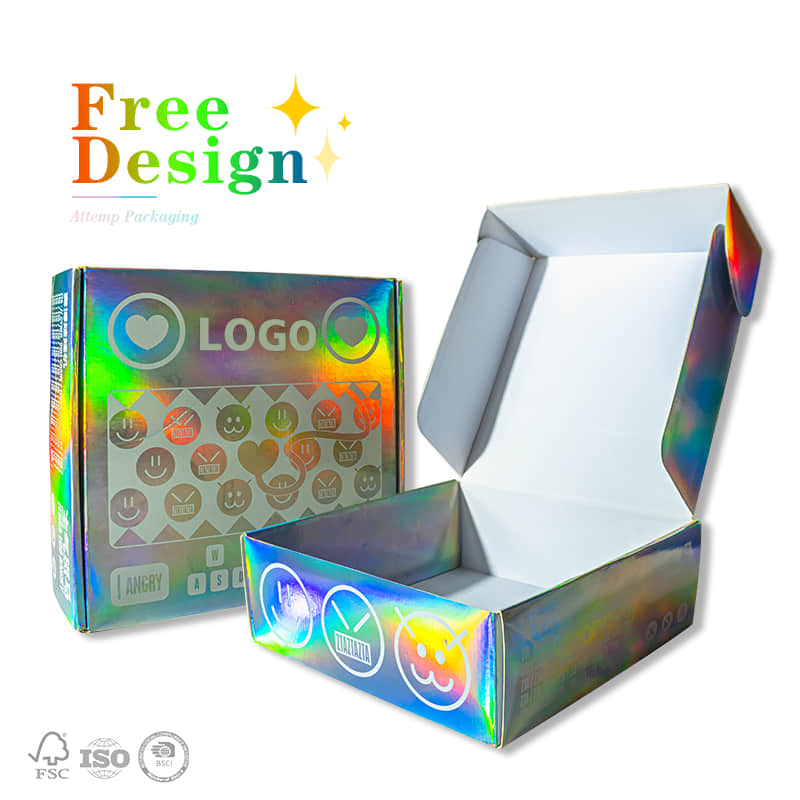 Custom Holographic Box
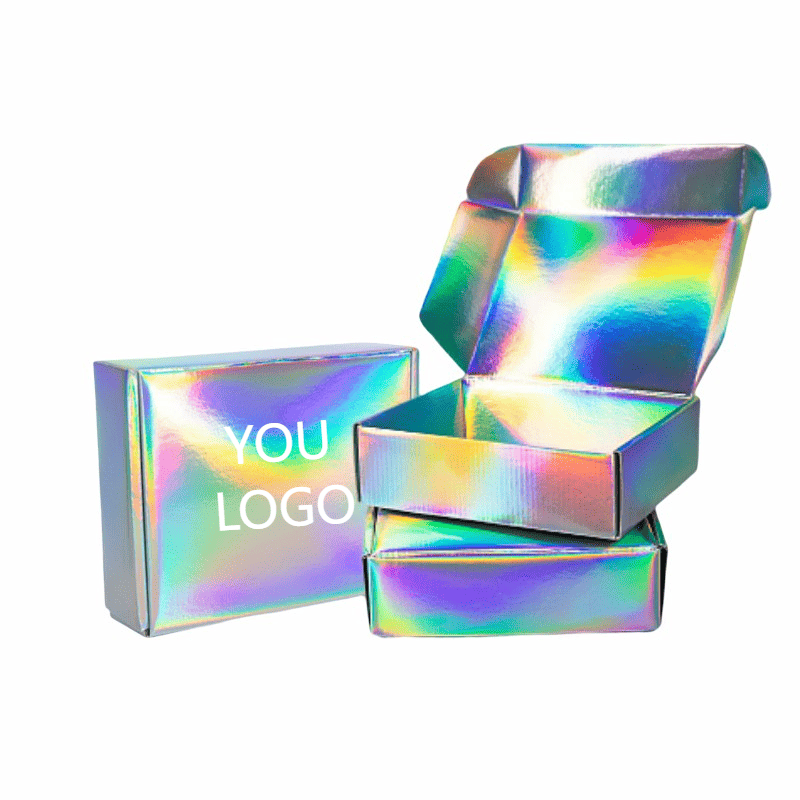 Custom Holographic Box
Copyright ©2025 All Rights Reserved by Shenzhen Xinpeng Packaging & Printing Co., Ltd.