At Shenzhen Xinpeng Packaging & Printing Co., Ltd., we understand a common dilemma: many buyers and designers struggle to choose between ECT (Edge Crush Test) and Bursting Strength (Mullen Test) when customizing corrugated boxes. The wrong choice can lead to over-packaging (cost waste) or under-protection (shipping damage). This guide will clarify the differences and show you how to scientifically select the optimal board for your product.
Core Concept: Two Different Measures of Strength
ECT and Bursting Strength measure fundamentally different properties of corrugated board.
In a nutshell:
How to Choose Based on Your Product's Needs
Your product's characteristics determine which metric should be your priority.
When to Prioritize ECT (Edge Crush Test)
ECT is your more critical metric if your product has these traits:
Heavy or High-Stacking Products: Books, beverages, metal parts, appliances. These items impose significant weight, requiring a robust "load-bearing skeleton."
Self-Supporting Contents: Products that help the box maintain its shape (e.g., full bottles, compact industrial parts) shift the primary challenge to external stacking pressure.
Cost-Sensitivity and Lightweighting: ECT-based designs often allow for optimized flutes and core papers, which can be more economical and eco-friendly than simply pursuing high burst strength.
Ideal For: Warehousing, wholesale distribution, e-commerce shipping cases.
When to Prioritize Bursting Strength (Mullen Test)
Bursting Strength cannot be ignored if your product has these traits:
Sharp or Edged Products: Hardware tools, plastic components, certain electronics. These items risk puncturing the box from the inside during transit.
Resistance to External Puncture and Abrasion: Boxes needing to withstand scraping and impact in complex logistics environments.
Products with Internal Expansion Pressure: Puffed snacks, air-cushioned packaging that creates continuous outward pressure on the walls.
Ideal For: Hardware parts, specific food packaging, certain industrial goods.
Industry Trend: Why ECT is Becoming the Global Standard
In modern packaging design and international trade, ECT is largely superseding Bursting Strength as the primary metric. Here’s why:
Direct Correlation to Real-World Performance: ECT directly simulates a box's performance under stack loading. Its relationship to the final box compression strength (BCS) can be accurately predicted using established models like the McKee formula.
Supports Lightweighting & Sustainability: The ECT test encourages the use of high-strength fluting media and optimized structures. This often allows for using less material to achieve the same stacking strength, reducing costs and environmental impact.
Global Standardization: Modern boxmaker certificates (BMCs) and international codes (like FEFCO) universally adopt ECT ratings.
Professional Insight: ECT Standards and Box Selection
At Shenzhen Xinpeng Packaging, we adhere to international standards to provide scientific packaging solutions.
Common ECT Standard Reference (Custom design is always recommended):
*Note: The above are general ranges. Shenzhen Xinpeng Packaging & Printing Co., Ltd. can provide specialty boards with ECT values exceeding 65 lb/in for demanding applications.*
Conclusion & Professional Recommendation
ECT and Bursting Strength are not mutually exclusive but complementary metrics defining box performance from different angles.
As an experienced packaging solutions provider, Shenzhen Xinpeng Packaging & Printing Co., Ltd. offers this final guidance:
Identify the Core Need: Determine if your product's biggest risk is stacking collapse or surface puncture.
Follow the "Stacking First" Principle: For most warehousing and shipping scenarios, ensure the ECT value meets your stacking requirements first. Then, evaluate if additional Bursting Strength is needed for specific puncture risks.
Consult True Experts: The most reliable solution comes from a holistic analysis of your product, logistics environment, and materials science.
Still Confused by Technical Packaging Specifications?
Shenzhen Xinpeng Packaging & Printing Co., Ltd. brings over 20 years of manufacturing and design expertise. We not only clarify technical questions about ECT standards, Bursting Strength, and more but also provide end-to-end custom packaging solutions—from material science and structural design to high-quality printing.
Contact our technical expert team today for a free packaging consultation and ECT strength assessment!

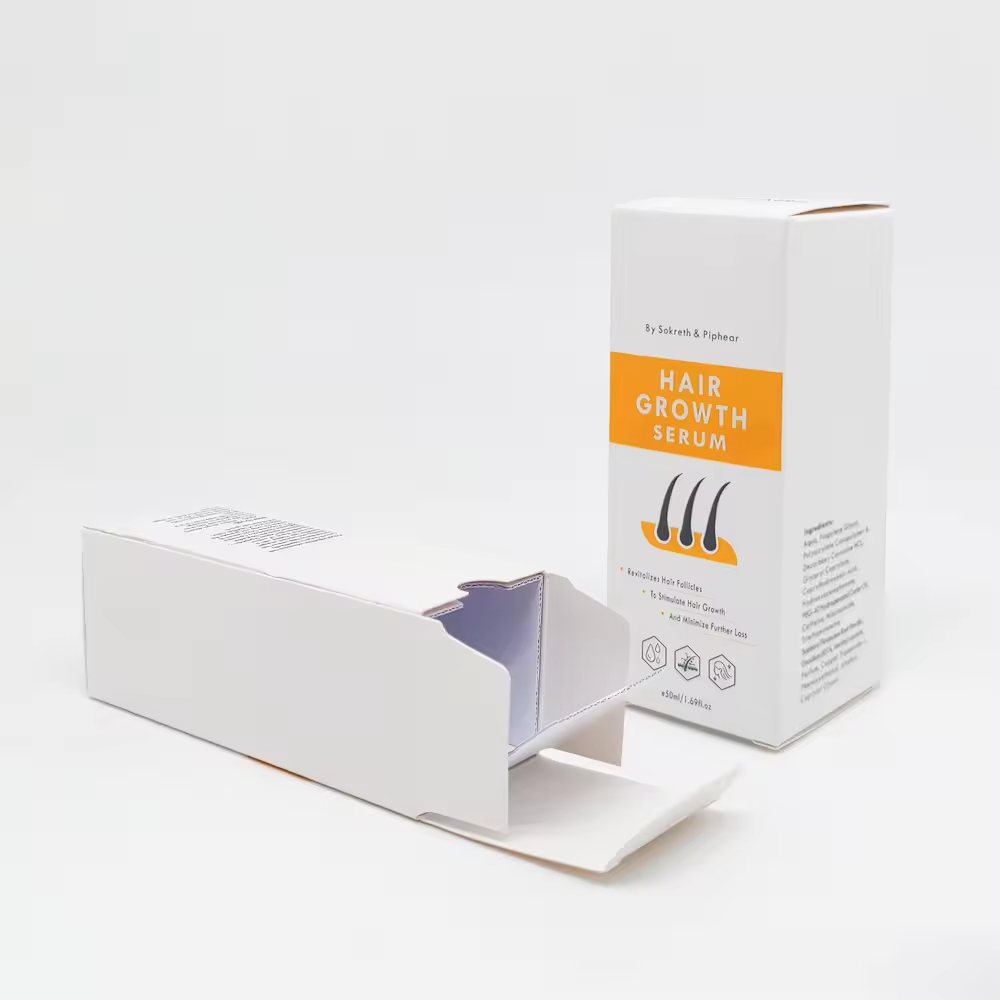 Folding Cartons
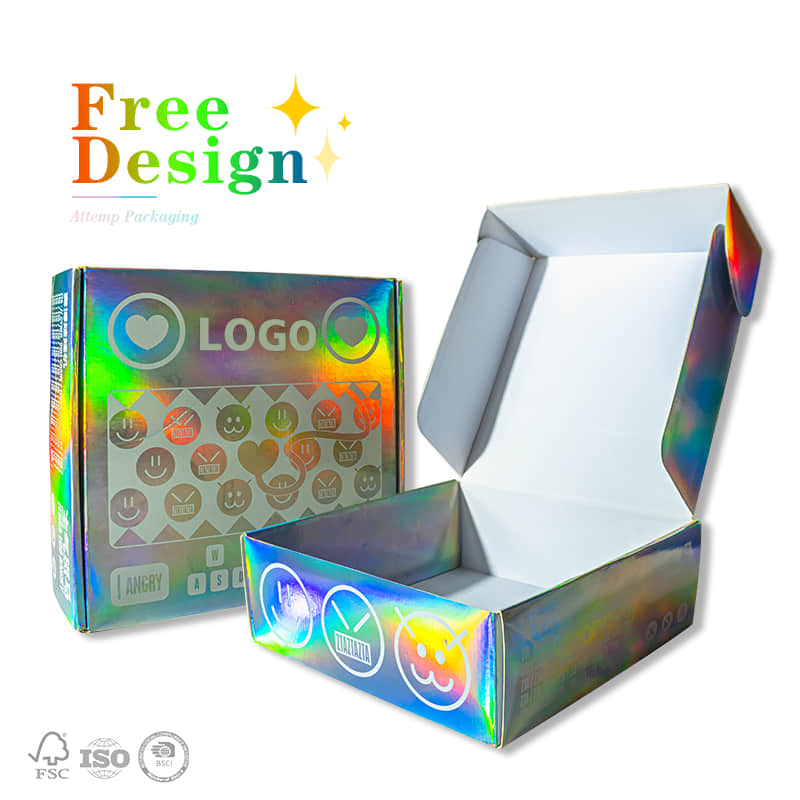 Custom Holographic Box
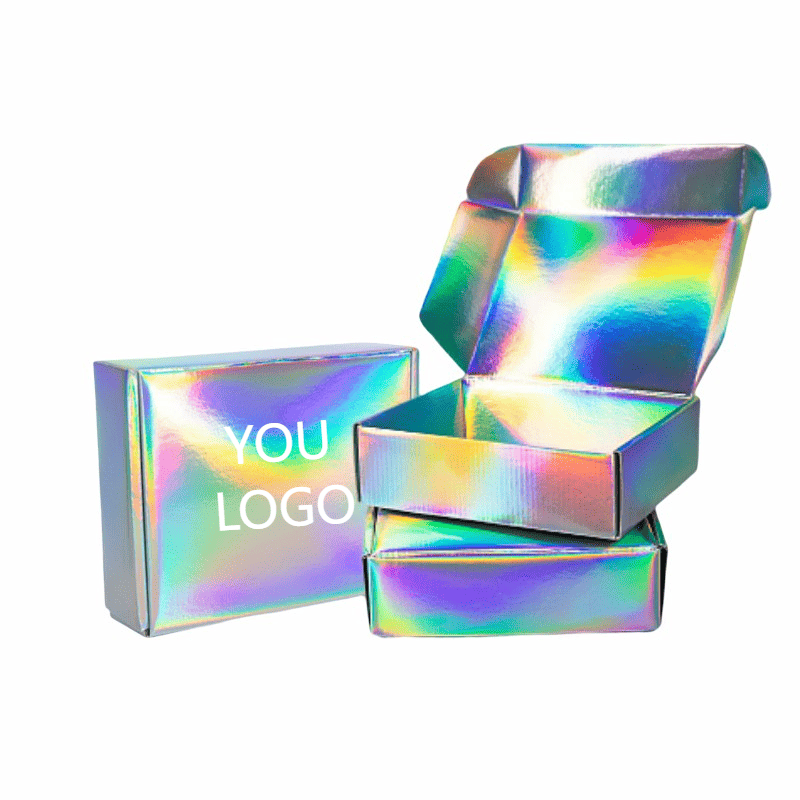 Custom Holographic Box